Technology
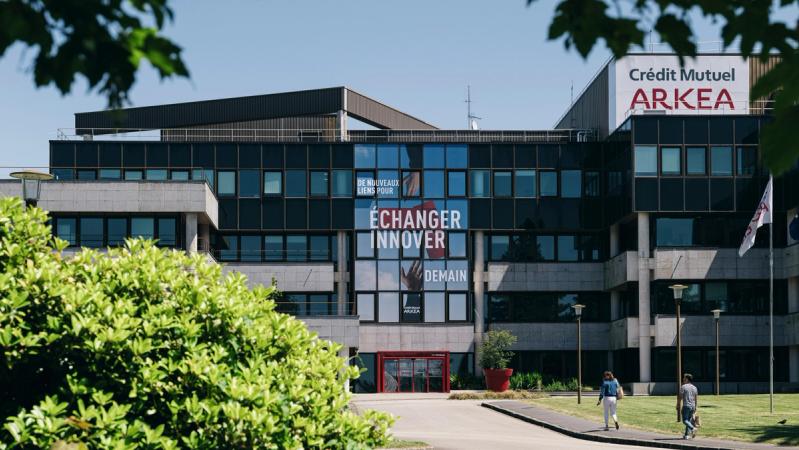
ZachXBT names French bank Crédit Mutuel Arkéa as suspected victim of $133 million crypto theft
By Marcus Chen
Advertisement · Why this ad?
Katherine oversees editorial operations across all six brands. Before joining The Meridan Group, she spent 14 years at the Minneapolis Star Tribune, where she led the metro desk through its digital transformation. She holds a Master's in Journalism from Northwestern's Medill School.
More from Katherine →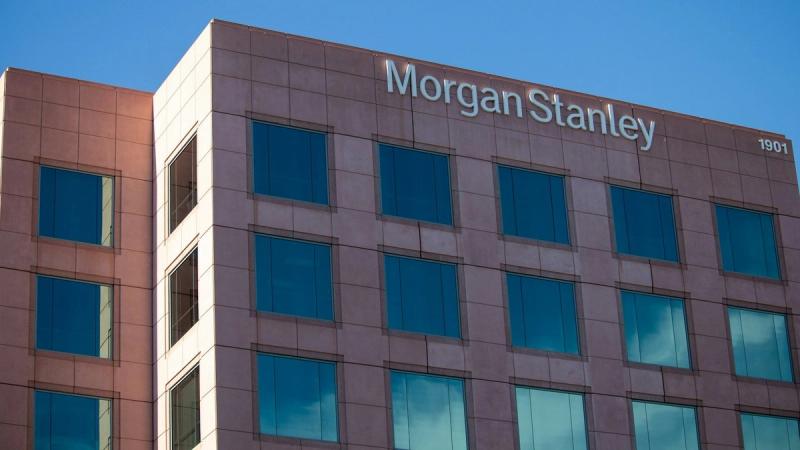
As the sun dipped below the skyline of Manhattan, casting golden hues across the bustling streets, a quiet revolution in finance began to take shape. At the heart of this transformation is Morgan Stanley, a financial titan that has long been synonymous with traditional banking. In a recent announcement, the firm revealed it is among the first banks to tokenize real-world assets, a move that could redefine how assets are managed and traded in the digital age.
On October 15, 2023, Morgan Stanley declared its foray into the world of asset tokenization, joining a select group of financial institutions pioneering this innovative approach. Tokenization involves converting physical assets—such as real estate, art, or commodities—into digital tokens that can be easily traded on blockchain platforms. This technology promises to enhance liquidity, reduce transaction costs, and democratize access to investment opportunities.
According to Morgan Stanley's announcement, the firm aims to leverage blockchain technology to improve transparency and efficiency in asset management. The bank's Chief Technology Officer, Andrew McCarthy, emphasized the potential of tokenization to unlock new markets and create a more inclusive financial ecosystem. "By tokenizing real-world assets, we can provide our clients with greater flexibility and access to previously illiquid investments," McCarthy stated.
This initiative is particularly timely, as the financial industry grapples with a growing demand for innovative investment solutions. With investors increasingly seeking alternatives to traditional assets, the ability to tokenize real-world assets could provide a significant competitive edge for Morgan Stanley.
The news of Morgan Stanley's venture into asset tokenization has garnered a mix of excitement and skepticism within the financial community. Local investors and tech enthusiasts are optimistic about the potential benefits of this technology, which could lead to increased investment opportunities and a more dynamic marketplace. "This is a game changer for retail investors who have been locked out of certain asset classes for too long," noted Sarah Johnson, a financial advisor based in New York City.
However, some industry experts caution that the transition to tokenization will not be without its challenges. Regulatory hurdles and concerns over security and fraud in the digital realm remain significant barriers. Johnathan Lee, a blockchain analyst, remarked, "While the concept is promising, the execution will determine its success. We need robust regulations to ensure investor protection and market integrity."
As Morgan Stanley navigates this uncharted territory, it is essential for the bank to address these concerns head-on. Engaging with regulators and establishing clear guidelines will be crucial in fostering trust among investors. Moreover, educating clients about the risks and benefits of tokenized assets will be vital to ensure informed decision-making.
Looking ahead, Morgan Stanley plans to roll out its tokenization platform in early 2024, with a focus on real estate and private equity assets. The bank is collaborating with several technology partners to develop a secure and user-friendly interface for investors. By doing so, Morgan Stanley aims to set a benchmark for other financial institutions considering similar initiatives.
As this technology matures, the implications for the broader financial landscape could be profound. Tokenization has the potential to reshape how assets are valued, traded, and owned. If successful, Morgan Stanley's venture could pave the way for a new era of investment that embraces digital innovation while preserving the core values of trust and transparency.
The introduction of tokenized assets is expected to have a ripple effect on local communities. By democratizing access to investment opportunities, more individuals may be able to participate in wealth-building activities that were previously out of reach. This could lead to more stable and prosperous neighborhoods, as residents gain the ability to invest in local real estate or businesses.
Furthermore, the transparency offered by blockchain technology could enhance accountability and trust within the financial system. As communities begin to embrace these innovations, the potential for collaborative investment initiatives may emerge, fostering a sense of shared responsibility and commitment to local development. For example, community groups may band together to invest in local infrastructure projects or small businesses, creating jobs and improving living standards.
In a world where financial disparities often persist, Morgan Stanley's commitment to tokenization aligns with the values of strong marriages and intact families. By promoting investment opportunities that empower individuals and families, the bank is contributing to a more equitable society. As families come together to invest in their futures, the fabric of community life can be strengthened, fostering a culture of commitment and shared prosperity.
Moreover, the community's engagement with this new technology can lead to educational initiatives that empower residents. Workshops and seminars hosted by local financial institutions and community organizations could provide essential knowledge about asset tokenization, investment strategies, and the basics of blockchain technology. This grassroots approach can help demystify the process and encourage broader participation.
Despite the optimism surrounding this initiative, there are significant challenges ahead. The regulatory landscape for digital assets is still evolving, and Morgan Stanley will need to navigate these complexities carefully. Engaging with policymakers and industry stakeholders will be crucial to shaping an environment conducive to innovation while ensuring consumer protection.
Additionally, the bank must address the technological barriers that may prevent some potential investors from participating in tokenized markets. Ensuring that the platform is accessible and user-friendly will be vital in attracting a diverse range of investors, including those who may not be tech-savvy.
For those interested in learning more about asset tokenization and its implications, several resources are available. The U.S. Securities and Exchange Commission provides guidelines on investment opportunities, while organizations like the Financial Industry Regulatory Authority offer insights into market regulations. Additionally, educational platforms such as Coursera and edX offer courses on blockchain technology and investment strategies.
As Morgan Stanley embarks on this journey, the financial community and local residents alike will be watching closely. The success of this initiative could not only reshape the bank's future but also influence how investments are made across the nation.
In conclusion, Morgan Stanley's entry into asset tokenization represents a significant step forward in the evolution of finance. By embracing innovative technologies, the bank is not only enhancing its service offerings but also contributing to a more inclusive financial landscape. As we move toward a future where digital assets become increasingly prevalent, the importance of maintaining trust and integrity in financial systems will remain paramount.
By Marcus Chen

By Marcus Chen

By Marcus Chen

By Marcus Chen