Business
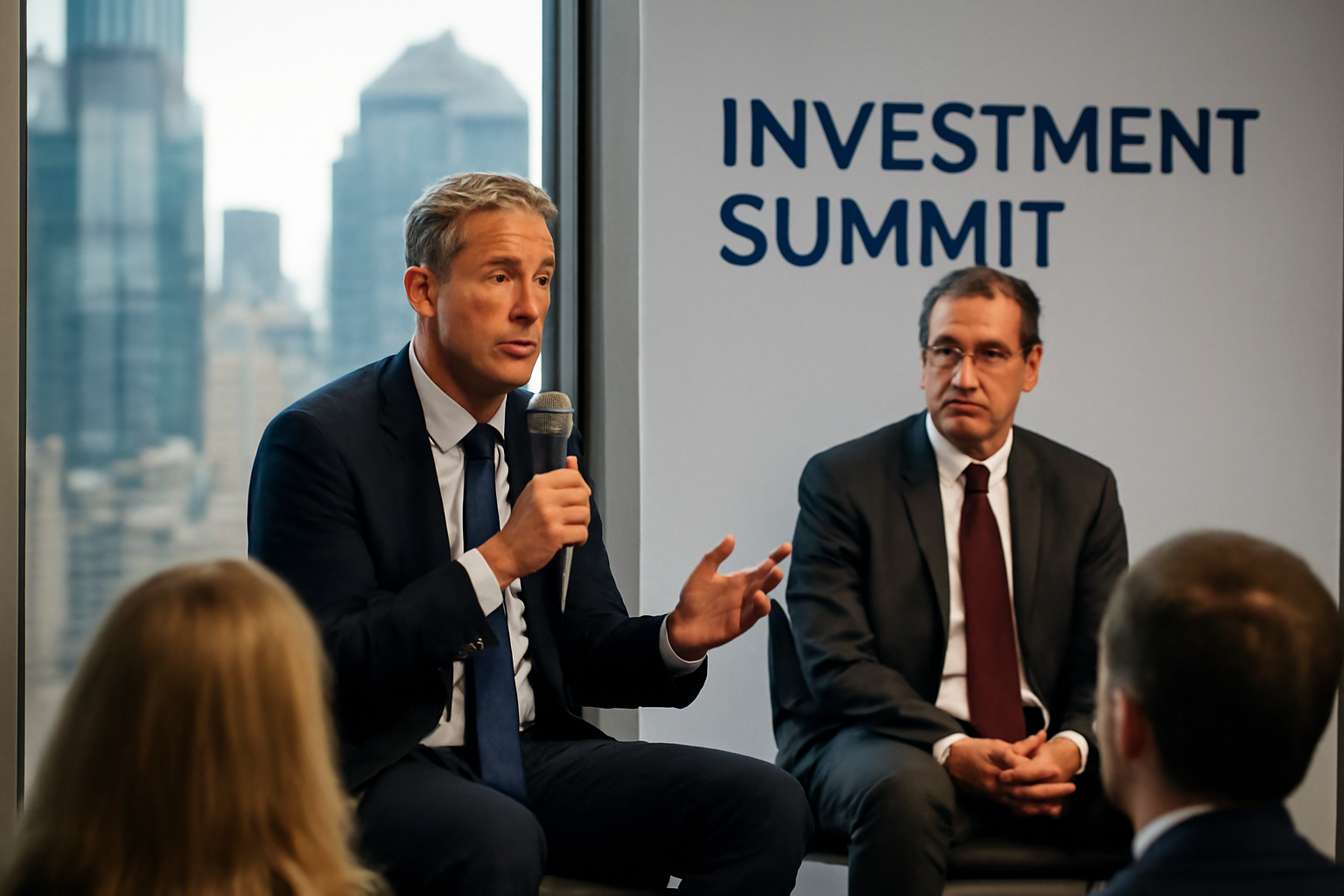
Live: Two Sigma, Top Money Managers Speak at HK Investment Summit Day 2
By Katherine Langford
Advertisement · Why this ad?
Marcus manages the day-to-day editorial workflow across all brands, coordinating coverage assignments and ensuring editorial standards are met. He previously served as city editor at the Pioneer Press and holds a degree in Political Science from Carleton College.
More from Marcus →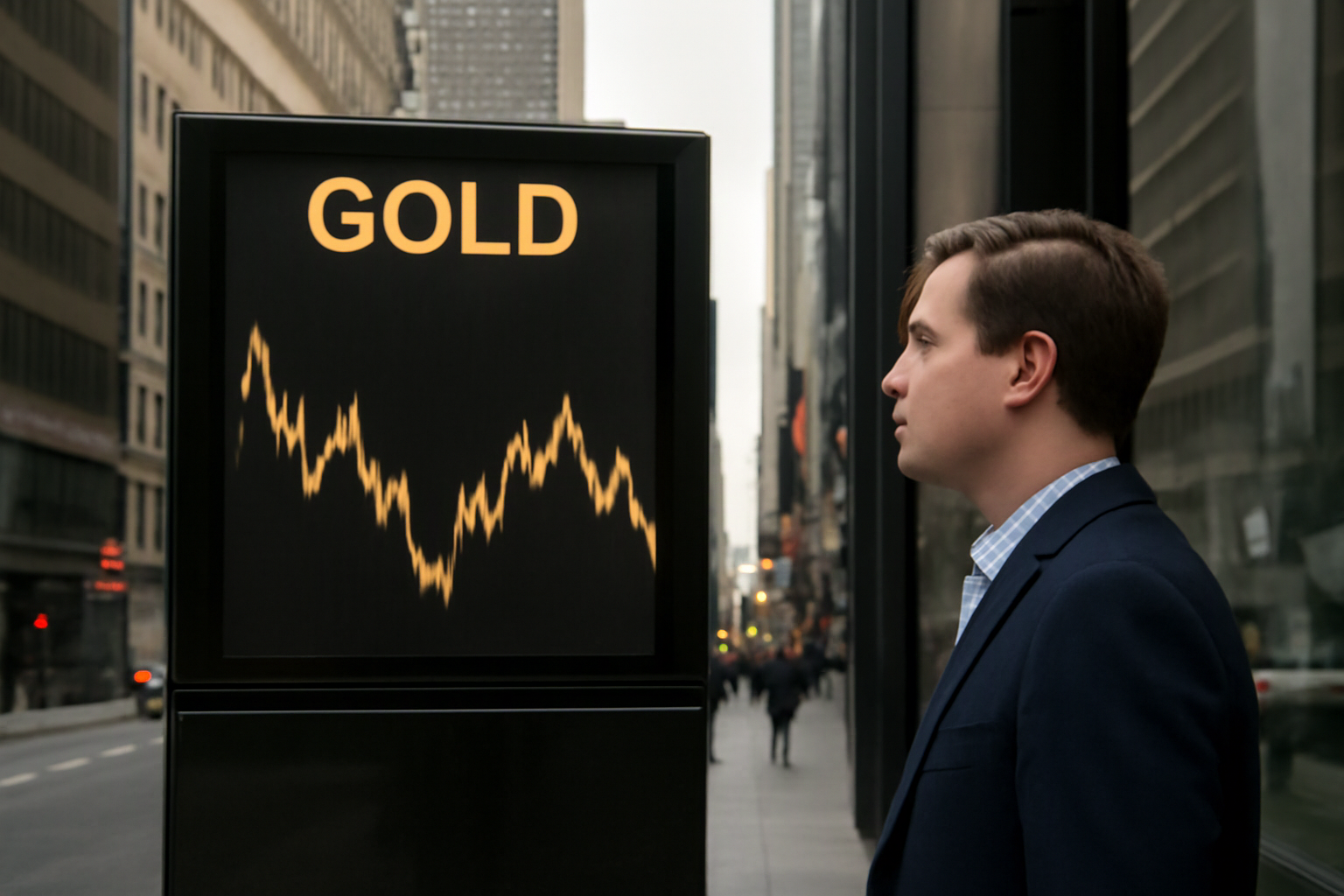
As the sun set over Manhattan, traders in the bustling financial district kept a close watch on their screens, weighing the latest developments in Middle Eastern diplomacy against the backdrop of the upcoming U.S. midterm elections. The price of gold, often seen as a safe haven during times of uncertainty, held steady amid shifting geopolitical landscapes and domestic political maneuvering.
Gold prices remained stable as traders monitored ongoing diplomatic efforts in Iran and their potential implications for global markets. The discussions surrounding Iran's nuclear program have significant ramifications not only for the Middle East but also for international economic stability. Meanwhile, the U.S. midterm elections are poised to influence interest rates and fiscal policy, adding another layer of complexity to the market.
As of the latest reports, gold was trading at approximately $1,800 per ounce, reflecting a slight decline from previous days but not enough to alarm investors. The stability in gold prices indicates that while traders are cautious, they are also optimistic about the potential outcomes of both the Iranian negotiations and the elections.
The dual focus on Iran and the U.S. elections highlights the interconnectedness of global finance. Historically, gold prices react to shifts in political climates and economic policies, making it essential for traders to stay informed. The ongoing negotiations with Iran could lead to a lifting of sanctions, potentially flooding the market with oil and influencing inflation rates.
Simultaneously, the U.S. midterms are crucial for shaping fiscal policies that could affect interest rates. A shift in power within Congress could lead to changes in spending and taxation, which are critical factors for gold investors. As such, the market is poised for volatility as these events unfold.
The midterm elections, scheduled for November, are particularly significant this year. With control of Congress hanging in the balance, the outcomes could dictate the direction of U.S. economic policy for years to come. If the Democrats retain control, they may continue their current spending policies, which could lead to higher inflation and, consequently, an increased demand for gold as a hedge against currency devaluation.
Conversely, if the Republicans gain control, a shift towards austerity measures could stabilize the economy but might also dampen gold's appeal. Investors are keenly aware that the midterms could set the tone for the Federal Reserve's approach to interest rates, further influencing gold prices.
In New York City, the financial community remains cautiously optimistic. Traders, analysts, and investors are engaging in discussions about the potential outcomes of both the Iranian negotiations and the elections. Many believe that the stability of gold prices reflects a broader sentiment of resilience among investors, who are preparing for whatever shifts may come.
Local investment groups are hosting forums and discussions to educate the public about gold investment strategies amid these uncertain times. The sentiment in these gatherings is clear: a strong understanding of the market is essential for navigating the complexities of today’s economic landscape.
Among these local groups is the New York Investment Club, which has seen a surge in attendance as more individuals seek insights into precious metals. Their recent seminar featured industry experts discussing the historical performance of gold during political upheavals, emphasizing its role as a hedge against inflation. Attendees expressed a mix of anxiety and determination, recognizing the importance of staying informed in such unpredictable times.
One attendee, Michael Chen, a financial analyst based in Brooklyn, shared, "The uncertainty with both Iran and the elections makes it critical for us to understand how gold can protect our investments. I’ve been following these trends closely, and I believe that gold will play a pivotal role in the coming months."
Looking ahead, traders will continue to monitor developments in both the Middle East and U.S. politics closely. The outcome of the Iranian negotiations, particularly whether sanctions will be lifted, could have immediate impacts on oil prices and, by extension, inflation rates. This would influence gold prices as investors reassess their strategies.
As the midterm elections approach, the financial markets will likely experience heightened volatility. Traders are advised to remain vigilant and adaptable, ready to pivot based on new information and political developments. The interplay between global events and domestic policies will shape the market landscape in the coming months.
The effects of these developments extend beyond the trading floors of Wall Street. Local businesses in New York City, particularly those involved in jewelry and precious metals, are closely watching gold prices. Many jewelers report a steady demand for gold items, as consumers often turn to gold jewelry as a form of investment during uncertain times.
Additionally, the broader economic implications of fluctuating gold prices can influence consumer confidence. When gold prices rise, it often reflects fears of inflation or economic instability, which can lead to reduced consumer spending. Conversely, stable or declining gold prices can encourage spending, as consumers feel more confident about their financial futures.
Local economists, such as Dr. Sarah Thompson from NYU, emphasize that the relationship between gold prices and consumer behavior is critical. "Gold is not just a commodity; it's a psychological barometer for the economy. When people see gold prices rising, they tend to hold back on spending, which can slow down economic growth," she explained.
For those looking to stay informed, several resources are available. Websites like the CNBC and Bloomberg offer real-time updates on market conditions and geopolitical events. Additionally, the Federal Reserve provides insights into monetary policy that can affect gold prices.
Local investment firms and financial advisors also offer seminars and workshops to help individuals understand the nuances of investing in gold and other precious metals. Engaging with these resources can empower investors to make informed decisions in a rapidly changing market. Furthermore, community centers are beginning to host informational sessions aimed at demystifying gold investment, with an emphasis on accessibility for everyday investors.
As the landscape continues to evolve, staying connected with local investment communities and leveraging available resources will be crucial for navigating the complexities of the gold market and making informed investment choices. The ongoing dialogue in these community spaces not only fosters knowledge but also builds a network of support among investors who may feel overwhelmed by the current economic climate.
By Katherine Langford
By Marcus Chen
By Marcus Chen
By Marcus Chen